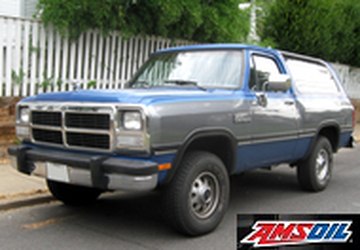
Maintaining Lubrication Standards for the 1981 Dodge Trucks RAMCHARGER 5.2L
Proper engine maintenance is a cornerstone of long-term vehicle health, particularly for a vehicle with the mechanical profile of a 1981 Dodge Trucks RAMCHARGER equipped with a 5.2L engine. Maintaining the correct lubrication standards ensures that internal components operate under optimal conditions, reducing friction and helping to manage the thermal loads generated during operation.Monitoring Fluid Integrity and Potential Seepage
A proactive approach to maintenance involves regular visual inspections of the engine bay. For an older vehicle, observing the condition of various seals and gaskets is a practical way to monitor for signs of age-related seepage. While many components are designed to remain secure for long periods, environmental factors and thermal cycling can eventually affect their ability to maintain a perfect seal. When performing routine checks, look for any evidence of fluid weeping around sealing surfaces. It is important to note that finding a small amount of residue does not always indicate an immediate failure, but it does warrant closer observation. If you notice fresh fluid accumulating in the oil pan area or near various engine junctions, this can be an early indicator that a seal may need attention. Additionally, checking for any changes in the appearance or consistency of the lubricant can provide insight into how well the engine is managing combustion byproducts and heat.Observing Operational Indicators
Beyond visual inspections of the exterior components, paying close attention to how the vehicle behaves during operation is essential. Changes in how the engine sounds or smells can sometimes be associated with lubrication issues. For example, an unusual odor may indicate that lubricant is contacting a hot surface, which should be investigated to find the source of the seepage. If you notice any unexpected changes in how the engine performs, such as variations in smoothness or unusual mechanical noises, these symptoms should not be ignored. Because many different mechanical factors can produce similar symptoms, an unusual noise or change in performance may indicate several different issues. In such cases, a professional diagnostic approach is often necessary to identify the specific cause rather than relying on guesswork.Managing Maintenance Records and History
For owners of a 1981 Dodge Trucks RAMCHARGER, establishing a clear maintenance baseline is one of the most effective ways to manage long-term ownership. If you have recently acquired the vehicle and do not have access to previous service logs, your first priority should be to document all current fluid levels, filter conditions, and recent repairs. This creates a "starting point" that allows you to track how the vehicle responds to new maintenance interventions. Keeping a detailed log of when oil was changed, which products were used, and any observed leaks or mechanical changes provides invaluable data. This history helps in distinguishing between a sudden issue and a gradual change in the vehicle's condition. When maintenance is documented consistently, it becomes much easier to prioritize tasks—such as addressing an active leak versus performing routine preventive service—based on actual evidence rather than assumptions about the vehicle's age.Systematic Inspection of Auxiliary Components
While engine oil is a primary focus, other components in the engine compartment deserve regular attention to ensure overall system reliability. If equipped, inspect accessible drive belts for signs of wear such as cracking, glazing, or fraying. Similarly, if the vehicle is equipped with various hoses, check them for excessive softness, brittleness, or visible leaks at the connection points. Electrical connections and wiring harnesses should also be inspected for signs of corrosion or damage to the insulation. Ensuring that electrical components are clean and securely seated can prevent intermittent issues that might otherwise complicate mechanical troubleshooting. By combining these checks with your lubrication maintenance, you develop a comprehensive view of the vehicle's current mechanical state.Prioritizing Service Based on Condition
As vehicles age, the philosophy of maintenance often shifts from strictly following a calendar to responding to the actual condition of the components. Rather than replacing parts simply because they are old, effective owners prioritize service based on what is observed during inspections. This means addressing active leaks or signs of component deterioration first, while continuing to perform routine tasks like oil changes to maintain internal cleanliness. If you encounter a situation where multiple maintenance needs arise at once, use your documented history to decide which items are critical for immediate operation and which can be monitored over time. For instance, a minor seepage that is not actively dripping may be something to watch during every oil change, whereas a significant loss of fluid requires immediate investigation.Practical Advice for Buying Engine Oil for the 1981 Dodge Trucks RAMCHARGER 5.2L
When it is time to replenish your engine's lubricant, the most important step is to ensure the product matches the specific requirements of your engine. To select the correct oil, match the engine oil to the application-specific viscosity information already displayed on this webpage. Do not rely on general automotive knowledge or assumptions based on the vehicle's year to determine the correct grade. When shopping for products, consider the following:- Verify Labeling: Always check the product packaging to ensure it meets the necessary performance standards and matches the viscosity requirements listed in your application information.
- Evaluate Formulations: Depending on your specific needs, you may choose between conventional, synthetic blend, or full synthetic oils. Some high-mileage oil formulations contain additives intended for use in aging engines, including seal-conditioning additives that may be beneficial for older seals.
- Check Certification: Ensure the oil carries the appropriate API certification to confirm it meets modern quality and performance standards.